
 Meet Dr. Botti
 Meet Dr. Scranton
 Our Team
 Patient Forms
 Online Bill Pay
 Benefit Program
 Your First Visit
Sealants
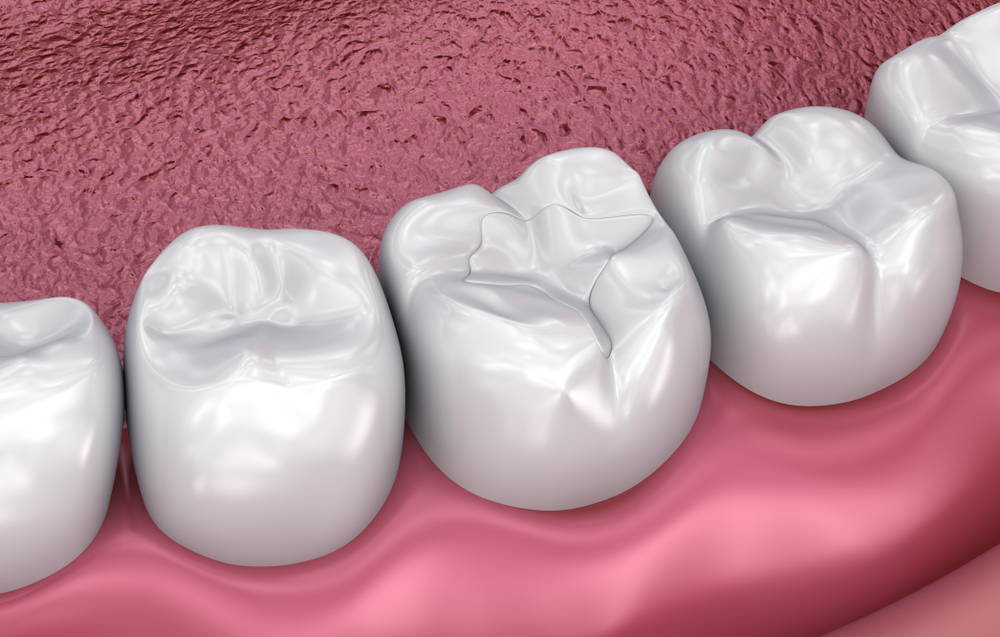
Cavities often develop in areas that are hard to clean, especially in the grooves of your back teeth. Even with regular brushing, food particles and bacteria can build up over time, increasing your risk of tooth decay and affecting your oral health.
Dental sealants offer a simple solution by creating a protective barrier that helps keep bacteria and acid away from your teeth. At South Dayton Smiles in Miamisburg, OH, our team uses dental sealants as part of a preventive approach to care, helping patients protect their smiles and reduce the risk of cavities before they start.
Why Preventing Tooth Decay Matters
Tooth decay is one of the most common oral health concerns. It often begins when food particles are left on your teeth and bacteria create acid. This acid can wear down enamel and lead to cavities over time.
According to the Centers for Disease Control and Prevention, cavities are very common, especially in children and teens. Dental sealants are considered an effective way to protect teeth and reduce the risk of decay in high-risk areas like molars.
Preventive care, including brushing, regular dental visits, and dental sealants, can help maintain strong teeth and avoid more complex treatments later.
How Do Sealants Work?
One of the most popular ways to think about dental sealants is to imagine them as raincoats for your teeth. If you have leftover food particles in your mouth, bacteria will digest them. Then, they will release acid as a side effect. It is this acid that leads to cavities.
When we apply dental sealants to your teeth, we prevent bacteria and acid from settling on your teeth. Just as a raincoat prevents you from getting wet, dental sealants protect your teeth from being coated in bacteria and acid. This can prevent cavities from developing.
Dental sealants act as a protective coating placed over the grooves of your back teeth. These grooves can trap debris and bacteria, making them harder to clean with brushing alone.
Types of Sealants and Materials Used
There are different types of sealants used in both dentistry and other industries. While dental sealants are designed specifically for oral health, it can help to understand how sealant materials work in general.
In construction, materials like silicone sealant, polyurethane sealants, acrylic sealants, latex, and butyl sealants are used to protect surfaces from moisture and damage. These materials rely on strong adhesion and flexibility to create a protective barrier.
Dental sealants work in a similar way, but they are specially designed for use inside the mouth. The sealant material bonds to the tooth surface, filling in grooves and creating a smooth surface that is easier to clean. This careful application helps reduce areas where bacteria can collect. Dental sealants are placed with precision by a dentist using dental tools and a curing light. This ensures proper adhesion, durability, and a long service life.
Who Is a Candidate?
Just about everyone is a candidate for dental sealants, but the earlier you get them, the better. In general, your first molars will show up around age six. Then, the second molars will show up around age 12.
These molars are the hardest to brush and benefit the most from sealants. Our goal is to prevent cavities from developing down the road. This can save you time and money later. The best way to figure out if you are a candidate for dental sealants is to meet with our team.
Adults with deep grooves, a history of tooth decay, or high-risk factors may also benefit from dental sealants.
How Are Sealants Applied?
Applying sealants is a quick and painless process. First, we will clean and dry your teeth. Then, we will place gel on top of your teeth to make your tooth surface a bit rougher. This will make it easier for the sealant to stick to your teeth.
A few seconds later, the dentist will rinse off the gel and dry your tooth before applying the sealant to the grooves in the teeth. Finally, the dentist will cure the sealants using a special blue light. That way, the sealant hardens in place and protects your teeth.
After the sealant is in place, your teeth may feel a bit funny for a while. It will take a while to get used to the bite, but dental sealants are important because they can reduce your chances of dealing with oral tooth decay down the road.
This painless process is completed in just one visit and does not require drilling or removal of tooth structure.
Benefits of Dental Sealants
Dental sealants offer several important benefits for patients of all ages:
- Protects teeth from cavities and tooth decay
- Shields the chewing surfaces of back teeth
- Reduces buildup of bacteria in grooves
- Supports better oral health over time
- Provides a protective coating with strong adhesion
- Offers long-lasting durability with proper care
Many patients find that dental sealants are a simple and effective way to protect their smile.
How Long Do Sealants Last?
Dental sealants are designed to have good longevity. With proper care, they can last for several years. During your regular dental visits, your dentist will check the condition of the sealant and reapply it if needed.
Factors like chewing habits, oral hygiene, and wear can affect how long sealants last. Even though they are durable, they may eventually wear down and need replacement.
Caring for Your Teeth After Sealants
After your dental sealants are placed, it is important to maintain good oral hygiene habits.
Helpful tips include:
- Brush your teeth twice daily
- Continue regular brushing and flossing
- Avoid chewing hard objects that may damage the sealant
- Visit your dentist for regular checkups
A balanced diet and consistent dental care can help extend the life of your sealants and protect your teeth from decay.
Sealants vs. Fillings: What’s the Difference?
Dental sealants and dental fillings both protect teeth, but they serve different purposes. Sealants are preventive. They are placed on healthy teeth to stop cavities from forming. Fillings are restorative. They are used after tooth decay has already damaged the tooth. Using sealants early can reduce the need for fillings later, making them an important part of preventive dental care.
Dental Sealants FAQ
Yes, dental sealants are safe and commonly used for both children and adults. They are made from materials designed for dental use and are applied by trained dental professionals. Many patients receive sealants during childhood, but adults can also benefit if they have deep grooves or are at higher risk for cavities.
You can usually eat right after the sealant is placed, since the material hardens quickly with a curing light. However, your dentist may recommend avoiding very sticky or hard foods for a short time to allow the sealant to settle and protect your teeth effectively.
Sealants do not require special care beyond normal oral hygiene. Brushing, flossing, and regular dental visits are still essential. Your dentist will monitor the sealant during checkups to ensure it remains intact and continues protecting your teeth from decay.
In some cases, sealants may be placed over very early signs of decay to stop it from progressing. This depends on the condition of the tooth. Your dentist will evaluate whether a sealant or another treatment is the best option for your situation.
Sealants are usually clear or tooth-colored, so they blend in with your natural teeth. Most people will not notice them when you smile or speak. Their main purpose is protection, not changing the appearance of your teeth.
Our goal is to do everything we can to protect your teeth from harm. That is why we discuss the possibility of dental sealants with our patients. Call South Dayton Smiles in Miamisburg today at (937) 433-5133 to see how we can help you keep your smile bright and healthy.
Taking steps to prevent cavities now can save you time, discomfort, and dental work in the future. Dental sealants are a simple way to protect your teeth and support long-term oral health.
Call 937-433-5133 today to schedule your appointment. Our team at South Dayton Smiles is here to help you explore your options and create a plan that keeps your smile strong and healthy for years to come.
Request an Appointment Today
At South Dayton Smiles, our dentists are always happy to serve you in South Dayton.
Testimonials
What Our Clients Say about Us
” Dr Botti has always been pleasant to work with, explaining details of the procedure as I had a crown replaced. “
– Mike G
” I LOVE Dr Botti and the staff at South Dayton Smiles. Michelle is my hygienist and I can’t wait for my appointments to have my teeth cleaned. “
– Debby M
” Everyone knows my name, knows my family, very personal touch. Everyone is great with my children. They treat us all like family. “
– Steve M
Associations and Memberships
proud to be a part of these organizations