 Meet Dr. Botti
 Meet Dr. Scranton
 Our Team
 Patient Forms
 Online Bill Pay
 Benefit Program
 Your First Visit
Oral Cancer Screening
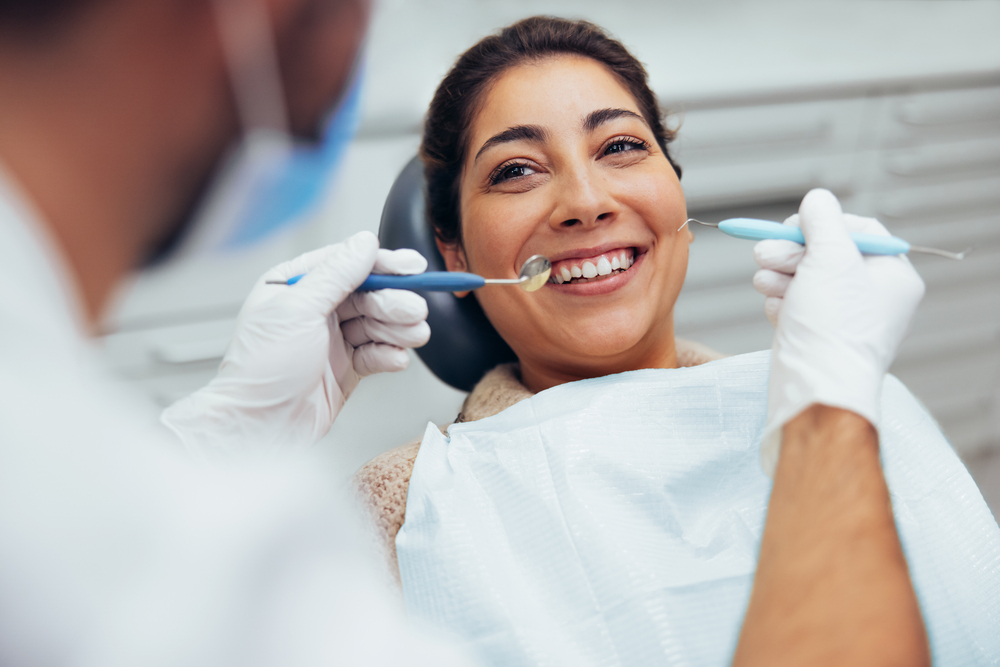
When you visit us for your regular cleaning, one of the most important services we provide is an oral cancer screening. Oral cancer affects many people each year, and early detection can make a meaningful difference in treatment and outcomes.
At South Dayton Smiles in Miamisburg, OH, we include oral cancer screening as part of your routine dental care to help protect your long-term health. Patients from South Dayton and nearby communities rely on our team for preventive care that supports both comfort and confidence.
Knowing your health is being carefully checked can give you peace of mind during every visit. Dr. Michele Botti and Dr. Jeri Scranton provide oral cancer screening with a focus on prevention and early detection, helping you stay informed about your oral health and any potential concerns.
Why Oral Cancer Screening Matters
Oral cancer screening is one of the best ways to protect your health because many cases of oral cancer begin without pain. In the early stages, symptoms may be mild or easy to miss. This is why regular oral cancer screenings are so important.
According to the American Cancer Society and the National Cancer Institute, oral cancer and oropharyngeal cancers affect thousands of people in the United States each year. Early detection of oral cancer improves the chances of successful treatment and may reduce the need for more complex medical care.
A cancer screening helps identify abnormal tissue, mouth cancer, or oral cavity cancer before it spreads. When found early, many patients can begin early treatment and improve their outcomes.
What Are the Risk Factors for Oral Cancer?
A few risk factors could make it more likely for someone to develop oral cancer. They include:
Certain habits and health conditions can increase your risk. Each risk factor plays a role in the development of oral cancer, and understanding them can help you make informed choices.
Common risk factors include:
- Tobacco use and tobacco products
- Alcohol use or heavy alcohol consumption
- Human Papillomavirus (HPV)
- Sun exposure that can lead to lip cancer
- A history of tobacco use or previous cancer patients
People with more than one risk factor may be at higher risk for oral cavity cancer or pharyngeal cancer. However, even patients without known risk factors can still develop oral cancer, which is why regular oral cancer screenings are recommended.
Regardless of these risk factors, everyone should have an oral cancer screening regularly.
What Happens During an Oral Cancer Screening?
There are two separate components to your oral cancer screening. First, the dentist will check your mouth for any signs of asymmetry. White patches, lumps, bumps, and swelling could be early signs of oral cancer.
We will need to remove oral appliances from your mouth, such as dentures and retainers, to ensure we do not miss anything. Then, the dentist will use a small light and a mirror to look at all surfaces of your mouth for any irregularities.
This visual inspection focuses on the oral cavity, including the floor of the mouth, the roof of the mouth, the soft palate, and the buccal mucosa. The dentist also examines the front and base of the tongue for any signs of cancer or abnormal tissue.
Then, the dentist will complete a physical exam, touching the outside and inside of your jaw and mouth. The dentist may also feel your nose and jaw to look for anything out of the ordinary. This includes checking the lymph nodes for swelling, which can sometimes be linked to neck cancer or oropharyngeal cancers. If the dentist finds any masses or nodules, they will need to be examined further.
Finally, the dentist may use advanced technological tools as well. Imaging studies, including X-rays, can give the dentist a look at tissues underneath the surface. This is important for making sure that nothing is overlooked.
In some cases, additional tests such as toluidine blue or a blue dye may be used to highlight abnormal areas. These tools can support the detection of oral cancer and help guide further testing if needed.
Signs and Symptoms to Watch For
Knowing the signs of oral cancer can help you seek care sooner. While a cancer screening is important, you should also be aware of changes between visits.
Common symptoms of oral cancer include:
- Persistent sore throat or mouth pain
- Red or white patches in the oral tissues
- Lumps or thickened areas
- Difficulty chewing or swallowing
- Sores that do not heal
These signs of cancer do not always mean you have oral cancer, but they should be checked by dental professionals. Early diagnosis can make a meaningful difference in treatment options and outcomes.
What Are the Benefits of Oral Cancer Screening?
There are a few benefits of regular oral cancer screenings. Some of the top benefits include:
Additional benefits of oral cancer screening include:
- Early detection of oral cancer and mouth cancer
- Identification of potentially malignant disorders
- Support for better oral health and dental care
- Peace of mind during routine visits
- A simple screening test that takes only minutes
Regular oral cancer screening is a key part of preventive dental care. The American Dental Association supports routine oral examination as part of maintaining overall health.
Who Should Get Regular Screenings?
Many people benefit from regular oral cancer screenings, even if they feel healthy. This screening test is quick, safe, and part of standard dental care.
You may especially benefit if you:
- Use tobacco products or have a history of tobacco
- Have heavy alcohol use or alcohol use habits
- Have been exposed to human papillomavirus
- Have a family history of cancer
- Notice changes in your oral cavity
Even without these factors, regular screenings help monitor changes over time. Routine visits to a dental office allow your dental hygienist and dentist to track any concerns and recommend further testing if needed.
How to Lower Your Risk
While not all cases of oral cancer can be prevented, there are steps you can take to reduce your risk and support your oral health.
Helpful tips include:
- Avoid tobacco use and limit alcohol use
- Practice good oral hygiene daily
- Visit your dentist for regular screenings
- Protect your lips from sun exposure
- Maintain a healthy diet
These steps support both your dental health and overall well-being. Prevention and early detection of oral cancer work together to improve long-term outcomes.
Oral Cancer Screening and Early Detection With Our Caring Team
At South Dayton Smiles, we always prioritize our patients’ well-being, which is why we recommend an oral cancer screening during every visit. Contact us today to schedule an appointment at (937) 433-5133. Our goal is to keep you happy and healthy.
Common Questions About Oral Cancer Screening
Many patients have questions about oral cancer screening and what to expect during their visit. Understanding the process can help you feel more confident about your care. Below are answers to common questions to guide you.
Most patients should receive an oral cancer screening at least once a year as part of their routine dental care. However, patients with higher risk factors, such as tobacco use or alcohol use, may benefit from more frequent screenings. Your dentist can recommend a schedule based on your needs.
An oral cancer screening is not painful and typically takes only a few minutes to complete. The process involves a visual inspection and gentle examination of the oral cavity and surrounding areas. Most patients find it comfortable and easy, making it a simple step in preventive care.
Yes, early detection of oral cancer is possible through regular screenings and awareness of symptoms. Many cases are found during routine dental visits before symptoms become severe. Early stages of oral cancer are often easier to treat, which is why consistent screenings are so important.
If your dentist notices abnormal tissue or possible signs of oral cancer, they may recommend further testing or refer you to a specialist. Additional tests help confirm a diagnosis and guide treatment planning. Early follow-up care is essential for accurate detection of oral cancer.
Many dental insurance plans include oral cancer screening as part of preventive dental services. Coverage can vary depending on your provider and plan details. Our team can help review your benefits and explain any costs before your appointment so you can plan ahead.
At South Dayton Smiles, our dentists are always happy to serve you in South Dayton. Your health and peace of mind matter, and regular oral cancer screening is an important step in protecting your long-term well-being.
If it has been a while since your last visit, or if you have concerns about your oral health, our team is here to help. Dr. Michele Botti and Dr. Jeri Scranton provide thorough, gentle screenings designed to support early detection and ongoing care. Call (937) 433-5133 today to schedule your appointment and take an important step toward protecting your long-term health.
Request an Appointment Today
At South Dayton Smiles, our dentists are always happy to serve you in South Dayton.
Testimonials
What Our Clients Say about Us
” Dr Botti has always been pleasant to work with, explaining details of the procedure as I had a crown replaced. “
– Mike G
” I LOVE Dr Botti and the staff at South Dayton Smiles. Michelle is my hygienist and I can’t wait for my appointments to have my teeth cleaned. “
– Debby M
” Everyone knows my name, knows my family, very personal touch. Everyone is great with my children. They treat us all like family. “
– Steve M
Associations and Memberships
proud to be a part of these organizations