
 Meet Dr. Botti
 Meet Dr. Scranton
 Our Team
 Patient Forms
 Online Bill Pay
 Benefit Program
 Your First Visit
Fluoride
At South Dayton Smiles in Miamisburg, OH, our top priority is to keep your teeth healthy. One of the most important services we offer is fluoride treatment. Fluoride can work in conjunction with regular brushing and flossing to help you prevent the development of tooth decay and support long-term oral health.
Many patients in the United States rely on a combination of professional dental care, fluoride toothpaste, and drinking water to protect their smiles. At our office, Dr. Michele Botti and Dr. Jeri Scranton focus on prevention first. This means helping patients understand the importance of fluoride and how it supports strong, healthy teeth at every stage of life.
We believe it is better to prevent cavities from happening than to fix them after they have already developed. That is why we incorporate fluoride into our preventive dental care.
How Does Fluoride Work?
You lose valuable minerals from your tooth enamel in a process called demineralization. When acids formed by bacteria and sugars attack the enamel of your teeth, you can lose critical minerals.
The good news is that you can strengthen your tooth enamel again through remineralization. When phosphate, calcium, and fluoride are deposited into your tooth enamel, the enamel becomes stronger.
Fluoride is a powerful mineral because it can make tooth enamel more resistant to the acids produced by bacteria. It could even reverse early signs of tooth decay. That is why we incorporate fluoride treatments into our dental care.
Where Can You Find Fluoride?
Fluoride can be found in most local drinking water supplies. If you drink water from the tap water in your area, there is a good chance you are getting a helpful amount of fluoride. Many community water systems use water fluoridation to adjust the level of fluoride for better public health outcomes.
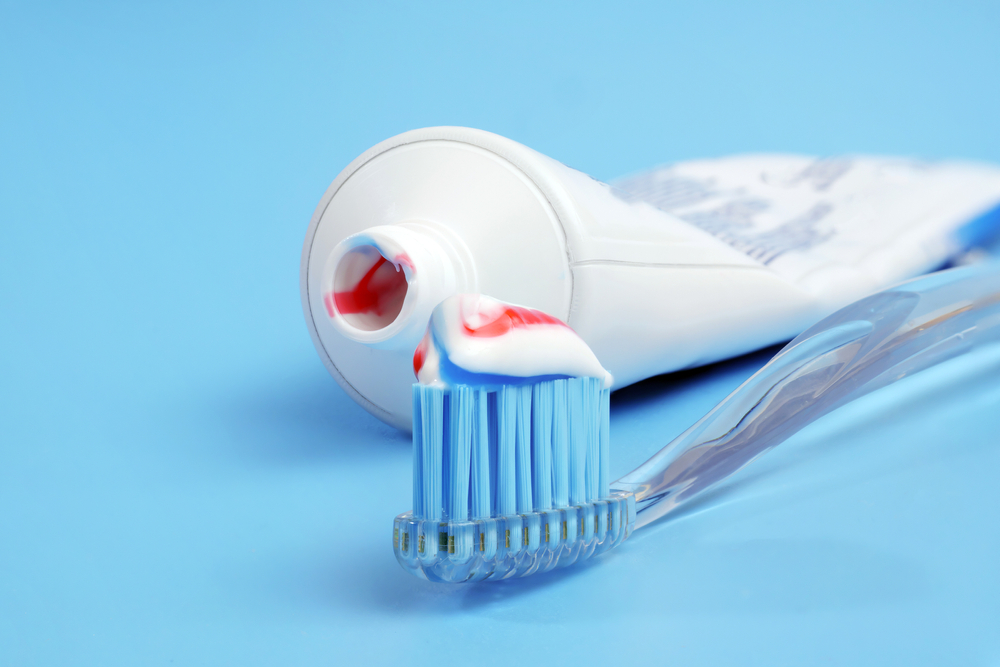
You can also find fluoride in your fluoride toothpaste and other dental products like mouth rinses. Some formulas contain sodium fluoride or stannous fluoride, both of which help protect against dental caries.
When you come to our office for dental visits, we will also provide fluoride treatment. Our treatments may contain higher fluoride levels than other products you find at the grocery store, making them more effective. We can apply fluoride varnish, foam, or gel directly to your teeth.
If we believe you need more fluoride, we may recommend fluoride supplements. Fluoride supplements are always in gel or paste and never in liquid or tablet. It is never recommended to ingest it.
What Happens if You Don’t Get Enough Fluoride?
If you do not get enough fluoride, your teeth are more susceptible to tooth decay. Your enamel might become weak, it might have difficulty resisting acid attacks, and you could develop dental caries.
We want to prevent this from happening, so we recommend you come to our office twice per year for cleanings. We will give you a comprehensive dental exam, and we can apply fluoride to the surfaces of your teeth.
Preventative Dentistry Solutions in Miamisburg
Call today to make an appointment at (937) 433-5133, and let the team at South Dayton Smiles protect your teeth against cavities with fluoride treatment.
Benefits of Fluoride Treatment
Fluoride treatment plays an important role in modern dental health and chronic disease prevention. Many patients choose this option because it supports both immediate and long-term oral health.
Key benefits include:
- Stronger Tooth Enamel: Fluoride helps rebuild weakened enamel and makes it more resistant to damage.
- Reduced Risk Of Tooth Decay: Regular fluoride exposure lowers the risk of tooth decay and dental caries.
- Support For All Ages: From young children to older adults, fluoride supports lifelong dental health.
- Added Protection Between Visits: Professional topical fluoride treatments help protect teeth between routine dental care appointments.
- Backed By Research: Organizations like the American Dental Association support the use of fluoride as a safe and effective preventive measure.
Many patients benefit from both professional treatments and daily use of fluoride toothpaste at home.
Fluoride and Community Water Systems
Community water fluoridation is one of the most widely studied public health efforts in the United States. It involves adjusting the fluoride level in a community water supply to help reduce tooth decay across large populations.
According to the Centers for Disease Control and Prevention, community water fluoridation has helped improve oral health for millions of people. It is considered a safe and effective way to deliver small, consistent amounts of fluoride through drinking water.
However, not all water systems are the same. Some patients rely on well water, bottled water, or private water supply sources that may not contain enough fluoride. In these cases, your dentist may recommend fluoride supplements or in-office fluoride treatment.
Fluoride Safety and Proper Use
Fluoride is a naturally occurring mineral, but like many health care tools, it should be used in the right amount of fluoride.
Too much fluoride exposure over time can lead to dental fluorosis. This condition may cause white spots on permanent teeth, especially in early childhood when teeth are still developing.
To reduce the risk of dental fluorosis:
- Monitor Fluoride Intake In Young Children: Children should use only a small amount of fluoride toothpaste.
- Follow Professional Guidance: Dentists and health professionals can help determine the right fluoride level.
- Avoid Excessive Fluoride Use: Using multiple fluoride products without guidance may increase exposure.
The public health service and the food and drug administration provide guidelines to help ensure safe fluoride use. When used properly, the effects of fluoride are overwhelmingly positive for dental health.
Who May Benefit From Fluoride Treatment
Fluoride treatment can benefit many types of patients. It is not limited to children and can be helpful for adults as well.
You may benefit if you:
- Have a history of dental caries
- Experience frequent acid attacks
- Have weak or sensitive tooth enamel
- Use bottled water instead of tap water
- Have limited fluoride exposure
Patients with a higher risk of tooth decay often benefit from additional fluoride exposure through professional dental care.
What to Expect During a Fluoride Treatment Visit
A fluoride treatment is quick and comfortable. During your visit:
- Teeth Cleaning: Your teeth are cleaned during your routine dental care visit.
- Fluoride Application: A fluoride varnish, gel, or foam is applied.
- Quick Process: The treatment takes only a few minutes.
- Post-Treatment Instructions: You may avoid eating or drinking briefly.
This simple step can support long-term oral health.
Caring for Your Teeth After Fluoride Treatment
After your fluoride treatment, maintaining good oral hygiene is essential.
Helpful tips include:
- Brush twice daily with fluoride toothpaste
- Floss daily to remove plaque
- Limit sugary foods and drinks
- Drink tap water when possible
- Schedule regular dental visits
You may also be advised to use additional fluoride products like mouth rinses, depending on your needs.
FAQ
Fluoride is considered safe when used as directed by dental professionals and organizations like the American Dental Association. Issues typically occur only with too much fluoride exposure over time, especially in young children. When used properly, it supports strong teeth and long-term oral health.
Yes, fluoride treatment is often recommended for young children because their teeth are still developing. It helps strengthen enamel and reduce the risk of tooth decay. Dentists carefully monitor the amount of fluoride used to minimize the risk of dental fluorosis.
Topical fluoride is applied directly to the teeth through toothpaste, gels, or fluoride varnish. Fluoride supplements are recommended when drinking water lacks adequate fluoride. Your dentist will evaluate your needs and recommend the most appropriate option.
Some bottled water contains fluoride, but many do not. Unlike community water fluoridation, bottled water is not always adjusted to optimal fluoride levels. If you mainly drink bottled water, your dentist may recommend additional fluoride sources.
The frequency depends on your risk of tooth decay. Many patients receive fluoride treatment during routine visits twice a year. Patients with higher risk factors may benefit from more frequent applications as part of their preventive dental care plan.
If you are looking to protect your smile and support long-term oral health, the team at South Dayton Smiles is here to help. Dr. Michele Botti and Dr. Jeri Scranton provide personalized care focused on prevention and education.
Call 937-433-5133 today to schedule your visit and learn how fluoride treatment can help reduce your risk of tooth decay and keep your smile strong for years to come.
Request an Appointment Today
At South Dayton Smiles, our dentists are always happy to serve you in South Dayton.
Testimonials
What Our Clients Say about Us
” Dr Botti has always been pleasant to work with, explaining details of the procedure as I had a crown replaced. “
– Mike G
” I LOVE Dr Botti and the staff at South Dayton Smiles. Michelle is my hygienist and I can’t wait for my appointments to have my teeth cleaned. “
– Debby M
” Everyone knows my name, knows my family, very personal touch. Everyone is great with my children. They treat us all like family. “
– Steve M
Associations and Memberships
proud to be a part of these organizations