
 Meet Dr. Botti
 Meet Dr. Scranton
 Our Team
 Patient Forms
 Online Bill Pay
 Benefit Program
 Your First Visit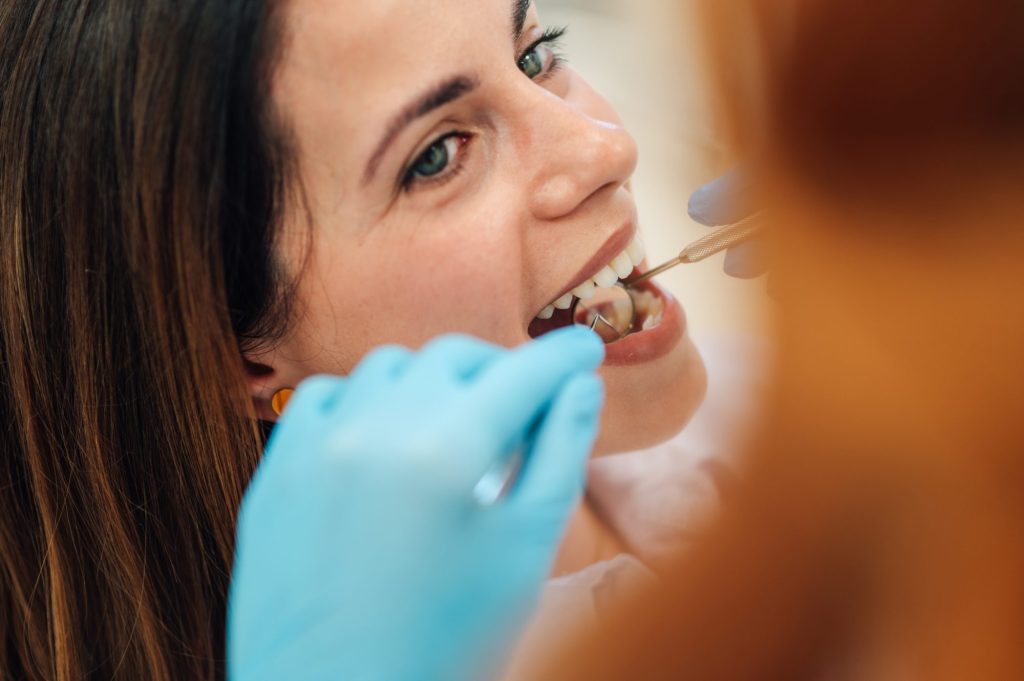
February is a natural time to think about prevention and the small health habits that protect your future. One of the most important, yet often overlooked, is an oral cancer check during your routine dental exam. Many people assume mouth cancer only affects heavy smokers or that they would “feel something” if there were a problem. In reality, early changes can be subtle, painless, and easy to miss at home.
At South Dayton Smiles, preventive dental visits are designed to support lifelong oral health for your whole household, from kids to grandparents. That includes watching for concerns that go beyond cavities and gum irritation. An Oral Cancer Screening is a simple, proactive step that fits naturally into regular dental checkups and can make a meaningful difference through early detection.
What is an oral cancer screening, and what are dentists looking for?
An oral cancer screening is a careful visual and hands-on check of the mouth and nearby areas. It looks for changes in the oral cavity and surrounding tissues that could signal oral cancers or related conditions. Your dental team is trained to recognize what looks normal and what looks like abnormal tissue that deserves a closer look.
During an examination, your provider checks areas you can see and areas you usually cannot, including the roof of your mouth, the floor of the mouth, the tongue, the inside of your cheeks, and parts of the lips and gums. Depending on your needs, your provider may also examine the throat tissues and oropharyngeal area, and feel along your jaw and neck for changes near the lymph nodes, since some signs of cancer may present as swelling or firmness.
Why early detection matters for survival rate and quality of life
When cancer is found in an early stage, treatment plans are often simpler and outcomes are typically better. National organizations like the American Cancer Society emphasize the importance of early detection and regular screenings. Early-stage cancers are often smaller, more contained, and less likely to impact speech, swallowing, and appearance, which directly affects quality of life during and after treatment.
Catching concerns early can reduce the need for extensive procedures and help your medical care team act sooner. This is why oral healthcare providers consider screening a practical part of preventive health care during dental visits.
Who is at higher risk for oral cavity cancer and related cancers?
Some people face a higher risk due to lifestyle or health history. Tobacco use remains a major risk factor, including cigarettes and smokeless tobacco. Alcohol use can also increase risk, especially when combined with tobacco. HPV infection is linked with certain types of oral cancer, including many oropharyngeal cancers.
Risk can also rise with age, and a family history of oral cancer or a personal history of oral cancer can matter too. Sun exposure on the lips is another concern tied to oral cavity cancer. Even if none of these apply to you, regular oral cancer screenings remain a smart habit because oral cancer symptoms are not always obvious in the early stage.
What are the signs of oral cancer you should watch for at home?
Your at-home awareness and regular dental checkups work well together. You know your mouth best, and noticing changes early gives you a head start. Early signs of oral cancer can look like everyday irritation, so it helps to know what to pay attention to and when to ask for a screening test.
Here are common signs of oral cancer to bring up at your next visit, especially if they last more than two weeks:
- A sore that does not heal or a spot that keeps bleeding
- A persistent lump or thickened area in the mouth or along the neck
- Red or white patches on the gums, tongue, or oral mucosa
- Pain, numbness, or a burning feeling that does not resolve
- Trouble chewing, swallowing, or moving the tongue comfortably
- A rough spot on the roof of your mouth or irritation under a denture that persists
If you notice suspicious areas, schedule a visit with your healthcare provider. Your dental office can help you understand what you are seeing and whether you need additional evaluation or referral for medical care.
What happens during an oral cancer screening at your dental office?
Your screening is quick and fits naturally into a routine dental exam. Your provider uses a combination of visual assessment and gentle palpation to check for changes. In many cases, this evaluation happens with the naked eye under good lighting and with tools that help your dentist see around the mouth comfortably.
Some dental practices may use adjunctive tools for oral cancer detection, such as toluidine blue staining, which highlights suspicious areas by coloring certain tissues. If a blue dye is used, your dentist will explain why it is appropriate for you and what the next steps would be based on the findings. These tools support detection but do not replace clinical judgment.
If your dentist finds something unusual, it does not automatically mean cancer. Many changes come from irritation, infection, or trauma. The goal is to identify anything that looks abnormal so you can be guided to the right next step, which may include monitoring, imaging, or referral for further evaluation.
Are regular oral cancer screenings recommended for everyone?
Yes, regular screenings are commonly included in preventive dental care, especially as part of comprehensive exams during routine dental checkups. Groups like the United States Preventive Services Task Force evaluate evidence on screening benefits, and in dentistry, clinicians focus on practical, low-risk steps that fit into an exam and help catch concerning changes early.
Your dental team personalizes recommendations based on your health history and risk factors, such as tobacco use, alcohol use, HPV infection, or a history of oral cancer. Prevention works best with a plan tailored to your needs, comfort level, and long-term oral health goals.
How does this fit into family dentistry in South Dayton?
Family dental offices make it simple for everyone to stay on track with prevention. When you bring your household in for dental hygiene and exams, you build consistency and peace of mind with a team you know. South Dayton Smiles focuses on all-ages care, helping you maintain a steady routine from childhood through the senior years.
For parents, that routine supports healthy habits early. For adults, it supports prevention and quicker response to changes that can happen with busy schedules and stress. For seniors, it supports comfort, function, and ongoing monitoring for concerns that may affect the oral cavity, dentures, and overall health care needs.
Practical ways to lower your risk between dental visits
Prevention works best when it feels realistic. Small choices add up, and your dental team can help you prioritize what matters most for you. These steps can support oral health and reduce risk over time:
- Avoid tobacco use and limit alcohol use
- Protect your lips from sun exposure with SPF lip balm
- Maintain good home care and keep regular dental checkups
- Ask about screening if you have HPV infection concerns or a personal risk factor
- Keep dentures fitted and report sore spots that do not improve
If you ever feel unsure about a change in your mouth, it is appropriate to bring it up. A quick look during a routine visit can provide clarity and help your provider track patterns over time.
When should you schedule an appointment?
If it has been a while since your last dental visit, February is a great time to reset your preventive routine. Scheduling your routine dental exam supports your whole-mouth health and provides an opportunity for oral cancer screening as part of a complete checkup. If you have noticed signs of oral cancer or other symptoms, do not wait for your next cleaning. Call your dental office and ask to be seen.
If you are ready to make prevention easier for yourself or your family, schedule an appointment today.