
 Meet Dr. Botti
 Meet Dr. Scranton
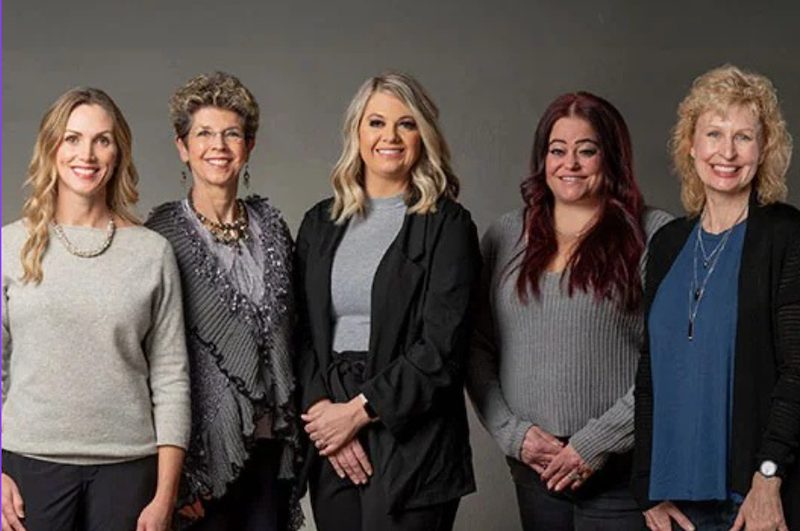 Our Team
 Patient Forms
 Online Bill Pay
 Benefit Program
 Your First Visit
Sleep Apnea Treatment

Sleep apnea can have an adverse impact on someone’s quality of life. If you suffer from sleep apnea, you may stop breathing in the middle of the night, causing you to wake up gasping for air. This can make it difficult for you to get the rest you need, causing you to feel tired the next day.
Sleep apnea is a serious condition that can affect your overall health. It can lead to breathing interruptions during sleep and impact your energy, focus, and long-term well-being. Getting the right sleep apnea treatment can make a big difference in how you feel every day.
At South Dayton Smiles in Miamisburg, OH, it would be our pleasure to help you treat sleep apnea. We have various treatment options, and we will customize them to meet your needs.
What Is Sleep Apnea?
Sleep apnea is a condition where your breathing repeatedly stops and starts while you sleep. These pauses in breathing are often caused by airway obstruction in the upper airway.
The most common form is obstructive sleep apnea, which happens when the muscles in the back of your throat relax too much and block airflow. Other types include central sleep apnea, which involves signals from the brain, but obstructive sleep apnea is the type most often treated in dentistry. Untreated sleep apnea can affect your oral health and overall health. It may increase your risk of high blood pressure, heart disease, and severe daytime sleepiness.
How Does Obstructive Sleep Apnea Happen?
Dentists are trained to treat a specific type of sleep apnea called obstructive sleep apnea, usually shortened to OSA. In OSA, tissues at the back of your throat can make it difficult for you to keep your airways open when you go to sleep at night. Perhaps you have some excess soft tissue around your neck, or maybe your tonsils are a bit enlarged.
Some of the signs of obstructive sleep apnea include:
- You snore during the night
- You wake up in the middle of the night gasping for air
- You feel tired even after sleeping eight or more hours at night
- You wake up with severe headaches in the morning
If you notice these sleep apnea symptoms, you should schedule an appointment with a healthcare provider or dentist to see if you have sleep apnea.
Diagnosing Sleep Apnea
Before starting sleep apnea treatment, a proper diagnosis is important. Many patients are referred for a sleep study, which monitors breathing, oxygen levels, and sleep patterns.
A sleep specialist may review the results to determine if you have mild sleep apnea, moderate sleep apnea, or severe obstructive sleep apnea. This information helps guide your treatment plan and ensures you receive the best treatment for your condition.
The American Academy of Sleep Medicine recommends proper testing before beginning treatment. This ensures that the approach is safe and effective for your needs.
How Does Our Team Treat Sleep Apnea?
A dentist can treat sleep apnea using oral appliances. Oral appliances are custom dental devices designed to keep your airway open while you sleep.
An oral appliance for the treatment of obstructive sleep apnea is similar to a retainer or a mouthguard. You put it in when you go to bed, and then you take it out when you wake up in the morning.
Oral appliance therapy works by gently repositioning the lower jaw and supporting proper tongue movement. This helps reduce airway obstruction and allows you to breathe more easily throughout the night.
This type of appliance therapy is often recommended for patients who cannot tolerate a CPAP machine or prefer alternative treatments.
Types of Oral Appliances
There are two main types of oral appliances a dentist might use to treat obstructive sleep apnea. The first option is called a mandibular repositioning device. This is an oral appliance that repositions your lower jaw forward and downward. It helps you keep your airway open while you sleep, making it easier to breathe at night.
The other treatment option is called a tongue retaining device. This device holds your tongue in place to prevent it from blocking your airway when you sleep. You will work closely with your dentist to decide which option is best for you.
These dental devices are a popular choice for mild sleep apnea and moderate sleep apnea, especially when patients are looking for a more comfortable solution.
Other Sleep Apnea Treatment Options
While oral appliances are effective, there are other treatment options available depending on the severity of your condition.
These may include:
- Continuous positive airway pressure therapy (CPAP therapy)
- A CPAP machine that delivers air pressure to keep the airway open
- Bilevel positive airway pressure for more advanced cases
- Positive airway pressure therapy as a gold standard treatment
- Positional therapy to improve your sleeping position
- Lifestyle changes such as weight loss or improved body weight management
For severe sleep apnea or severe OSA, surgical options may be considered. These may include nasal surgery, maxillomandibular advancement, or hypoglossal nerve stimulation.
Hypoglossal nerve stimulation works by controlling tongue movement to prevent airway blockage. This is typically used for patients who cannot tolerate CPAP treatment.
Benefits of Sleep Apnea Treatment
Getting the right sleep apnea treatment can significantly improve your health and daily life.
Key benefits include:
- Better sleep quality and reduced daytime sleepiness
- Improved blood pressure and reduced risk of heart disease
- Increased energy and focus throughout the day
- Reduced snoring and breathing interruptions
- Improved overall quality of life
Treatment also helps prevent long-term complications related to untreated sleep apnea. It is an effective treatment that supports both short-term comfort and long-term health.
Lifestyle Changes That Can Help
In addition to appliance therapy, certain lifestyle changes can support your treatment.
These may include:
- Weight loss to reduce pressure on the upper airway
- Maintaining a healthy body mass index
- Avoiding alcohol before bedtime
- Improving your sleeping position
- Practicing good oral hygiene
In some cases, weight loss surgery or bariatric surgery may be recommended for patients with severe obstructive sleep apnea related to body weight.
Common Questions About Sleep Apnea Treatment
The most common treatment for sleep apnea is continuous positive airway pressure, often called CPAP therapy. This involves a CPAP machine that delivers steady air pressure to keep the airway open. However, oral appliances are also a popular alternative for patients who prefer a more comfortable option.
Yes, dentists can provide oral appliance therapy to treat obstructive sleep apnea. These custom dental devices help reposition the lower jaw and reduce airway obstruction. Many patients benefit from this approach, especially those who cannot tolerate positive airway pressure therapy.
Sleep apnea symptoms include snoring, gasping for air, headaches, and daytime sleepiness. A sleep study is usually required to confirm the diagnosis. A sleep specialist or healthcare provider will evaluate your results and recommend a treatment plan based on your needs.
Yes, untreated sleep apnea can lead to serious health issues. It may increase the risk of high blood pressure, heart disease, and fatigue-related accidents. Treating sleep apnea early can improve your overall health and prevent long-term complications.
Oral appliances can be very effective for mild sleep apnea and moderate sleep apnea. While CPAP therapy is often considered the gold standard treatment, many patients prefer oral appliance therapy because it is more comfortable and easier to use consistently.
If you are tired of feeling exhausted and dealing with sleep apnea symptoms, now is the time to take action. Our team is here to help you explore treatment options that fit your lifestyle and improve your comfort.
At South Dayton Smiles, Dr. Michele Botti and Dr. Jeri Scranton provide personalized care focused on helping you breathe easier and sleep better. We are committed to improving your quality of life through effective and comfortable treatment solutions.
Call (937) 433-5133 today to schedule your appointment and take the first step toward better sleep, better health, and a better tomorrow.
Request an Appointment Today
At South Dayton Smiles, our dentists are always happy to serve you in South Dayton.
Testimonials
What Our Clients Say about Us
” Dr Botti has always been pleasant to work with, explaining details of the procedure as I had a crown replaced. “
– Mike G
” I LOVE Dr Botti and the staff at South Dayton Smiles. Michelle is my hygienist and I can’t wait for my appointments to have my teeth cleaned. “
– Debby M
” Everyone knows my name, knows my family, very personal touch. Everyone is great with my children. They treat us all like family. “
– Steve M
Associations and Memberships
proud to be a part of these organizations