
 Meet Dr. Botti
 Meet Dr. Scranton
 Our Team
 Patient Forms
 Online Bill Pay
 Benefit Program
 Your First Visit
TMJ Treatment
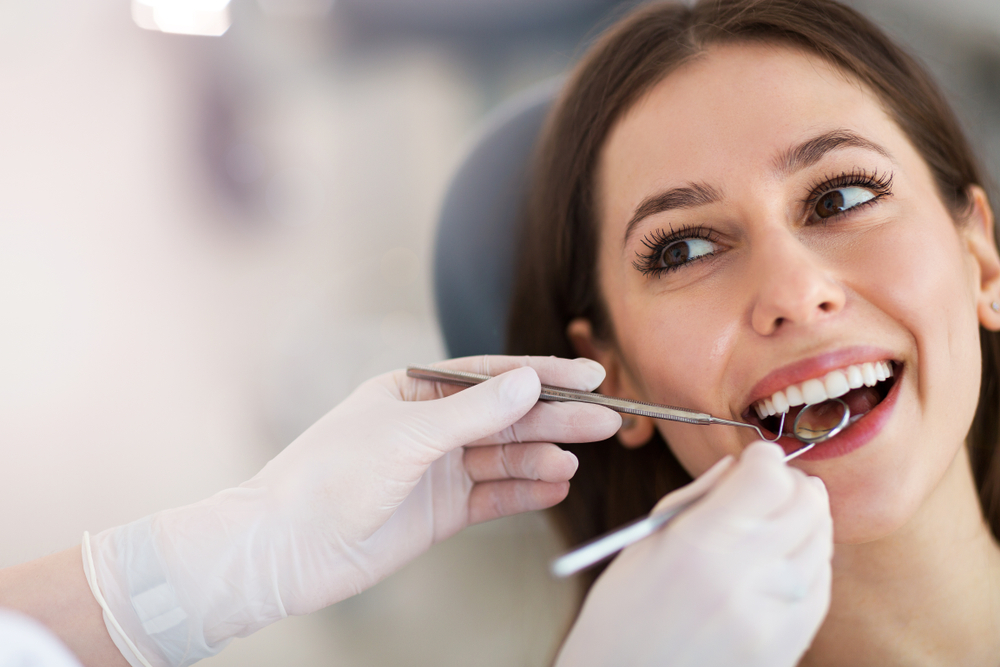
If you are experiencing jaw pain, clicking sounds, or difficulty chewing, you may be dealing with a TMJ disorder. These issues can affect your daily life and make simple actions uncomfortable.
At South Dayton Smiles in Miamisburg, OH, we help patients throughout South Dayton and nearby Dayton communities find relief from temporomandibular joint dysfunction. Our dentist team focuses on identifying the exact cause of your symptoms and creating a personalized plan to improve comfort and function.
Living with TMJ pain or chronic pain can be frustrating, especially when it affects speaking, eating, or sleeping. Getting the right care from a qualified healthcare provider can help restore comfort and improve your quality of life.
Dr. Michele Botti and Dr. Jeri Scranton provide patient-focused TMJ treatment designed to reduce discomfort and support long-term oral health.
What Is the Temporomandibular Joint and Why It Matters
The temporomandibular joint connects your lower jaw to your skull. This jaw joint allows for smooth jaw movement when you talk, chew, and swallow. It works together with your jaw muscles, ligaments, and chewing muscles to support daily function.
When this joint is not working properly, it can lead to temporomandibular disorders (TMD). This type of dysfunction can affect joint mobility, cause inflammation, and lead to ongoing discomfort or TMD pain. Even mild discomfort can worsen over time if not treated.
According to the National Institute of Dental and Craniofacial Research, temporomandibular joint dysfunction can impact many aspects of your daily life, including eating and speaking.
How Does the TMJ Work?
The temporomandibular joint is a ball-and-socket joint on either side of your jaw, located near the front of each ear. Each joint has a disc that separates the ball and socket. The disc’s job is to cushion the joint as it opens and closes and supports proper jaw movement and range of motion.
If any problems prevent these muscles and ligaments from working properly, they can lead to a temporomandibular joint disorder. If you have a hard time opening or closing your jaw or notice clicking, it can significantly impact your quality of life.
Common Causes of TMJ Disorders
There are several common reasons why people develop issues with the TMJ. They include:
- Chronic arthritis
- A joint dislocation
- A traumatic injury, such as a sports accident or a motor vehicle collision
- Alignment issues between your teeth and jaw
- Teeth grinding and stress, usually called bruxism
Additional contributing factors may include:
- Muscle tension caused by stress
- Frequent gum chewing or excessive strain on the jaw
- A misaligned bite
- Conditions like rheumatoid arthritis and their impact on the joints
Other risk factors may include conditions such as fibromyalgia or irritable bowel syndrome, which can contribute to muscle sensitivity and tenderness. The exact cause of a TMJ disorder can vary from person to person. That is why a proper evaluation is important for making informed health care decisions.
Symptoms of TMJ Disorders
The exact signs and symptoms of TMJ can vary depending on the cause of the condition. Some of the most common symptoms include:
Pain and discomfort around the muscles of the jaw
Clicking or popping noises that take place when you open and close your mouth
Difficulty moving certain parts of your jaw
Additional symptoms of TMJ may include:
- Jaw pain or facial pain
- Ear pain or frequent headaches
- Difficulty chewing or discomfort while eating
- Limited range of motion in the lower jaw
The sooner this condition is diagnosed, the faster it can be treated. This can make a significant difference in your overall prognosis. After this condition has been properly diagnosed, the treatment process can begin.
Benefits of TMJ Treatment
TMJ treatment offers several benefits that can improve both comfort and function.
Key benefits include:
- Relief from TMJ pain and jaw pain
- Improved jaw movement and joint mobility
- Reduced muscle tension in the jaw muscles
- Better ability to chew and speak comfortably
- Support for long-term oral health
Many patients experience meaningful pain relief with conservative treatments. While results vary, early care can help prevent symptoms from getting worse.
Who May Be a Candidate for TMJ Treatment
TMJ treatment may be a good option for patients experiencing ongoing discomfort or difficulty with jaw movement.
You may be a candidate if you:
- Experience frequent TMJ pain or jaw pain
- Notice clicking, popping, or locking of the jaw joint
- Have difficulty chewing or opening your mouth
- Grind or clench your teeth
- Have symptoms of TMD that affect your daily life
A consultation is the first step in determining the right treatment options for your needs.
What Is the Treatment Process?
It is important to take a well-rounded approach when treating TMJ disorders. At South Dayton Smiles, we customize your treatment plan based on your specific needs and symptoms.
In many cases, treatment may include eating softer foods, avoiding habits like nail biting or chewing gum, and using moist heat or ice to reduce inflammation.
We may also recommend relaxation techniques to help control jaw tension, along with corrective exercises to strengthen your jaw muscles and improve range of motion. In some cases, a bite plate or nightguard may be used to help prevent teeth grinding and reduce strain on the joint.
Additional TMJ Treatment Options
Depending on your condition, additional treatment options may include:
- Physical therapy to improve joint mobility and reduce pain
- Occlusal splints or intraoral appliances to protect the teeth
- Muscle relaxants prescribed by a healthcare provider
- Cognitive behavioral therapy to manage stress-related habits
- Botulinum toxin (Botox injections) in certain cases
In severe cases, surgical options such as TMJ surgery may be considered. A surgical procedure is typically a last resort when conservative treatments are not effective.
What to Expect During Diagnosis
Diagnosing TMJ disorders often involves a detailed examination. Our team may evaluate your jaw movement, listen for sounds in the joint, and check for areas of discomfort.
In some cases, imaging such as X-rays or magnetic resonance scans may be used to examine the soft tissues and joint structure more closely. This helps identify the exact cause of your symptoms.
Caring for Your Jaw After Treatment
After starting treatment, proper care is important for long-term success.
Helpful habits include:
- Eating soft foods during recovery
- Avoiding excessive strain on the jaw
- Practicing relaxation techniques
- Maintaining regular dental care visits
These lifestyle changes can help reduce symptoms and prevent future TMJ issues.
TMJ Treatment FAQs
A TMJ disorder refers to problems affecting the temporomandibular joint and surrounding jaw muscles. These issues can impact jaw movement and cause discomfort. Symptoms of TMJ may include pain, clicking sounds, or difficulty chewing, depending on the severity of the condition.
TMJ pain can result from several factors, including teeth grinding, stress, injury, or joint conditions like arthritis. Muscle tension and alignment issues may also contribute. Because the exact cause varies, a proper evaluation is important to determine the most effective treatment options.
Some mild cases may improve with simple lifestyle changes, such as reducing gum chewing or managing stress. However, persistent or severe pain may require professional care. Early treatment can help prevent symptoms from worsening and improve long-term outcomes.
Treatment options range from conservative treatments like nightguards and physical therapy to medications and stress management techniques. In more severe cases, surgical treatments may be considered. We will recommend a plan based on your symptoms and needs.
You should seek care if you have ongoing jaw pain, difficulty chewing, or limited jaw movement. Early evaluation can help identify the cause and provide effective pain relief. Addressing symptoms early can also help protect your oral health and prevent further complications.
At South Dayton Smiles, our dentists are always happy to serve you in South Dayton. Your comfort and well-being are important, and TMJ treatment can help you return to normal daily activities without ongoing discomfort.
If you are experiencing TMJ pain or symptoms of TMD, our team is here to help. Dr. Michele Botti and Dr. Jeri Scranton provide personalized care designed to relieve discomfort and improve function. Call 937-433-5133 today to schedule your consultation and take the first step toward lasting relief.
Request an Appointment Today
At South Dayton Smiles, our dentists are always happy to serve you in South Dayton.
Testimonials
What Our Clients Say about Us
” Dr Botti has always been pleasant to work with, explaining details of the procedure as I had a crown replaced. “
– Mike G
” I LOVE Dr Botti and the staff at South Dayton Smiles. Michelle is my hygienist and I can’t wait for my appointments to have my teeth cleaned. “
– Debby M
” Everyone knows my name, knows my family, very personal touch. Everyone is great with my children. They treat us all like family. “
– Steve M
Associations and Memberships
proud to be a part of these organizations